

 Colombia
 México
 Italia
 Francia
 Alemania
🥬 How to Store Vegetables in the Fridge to Last Weeks and Save Money
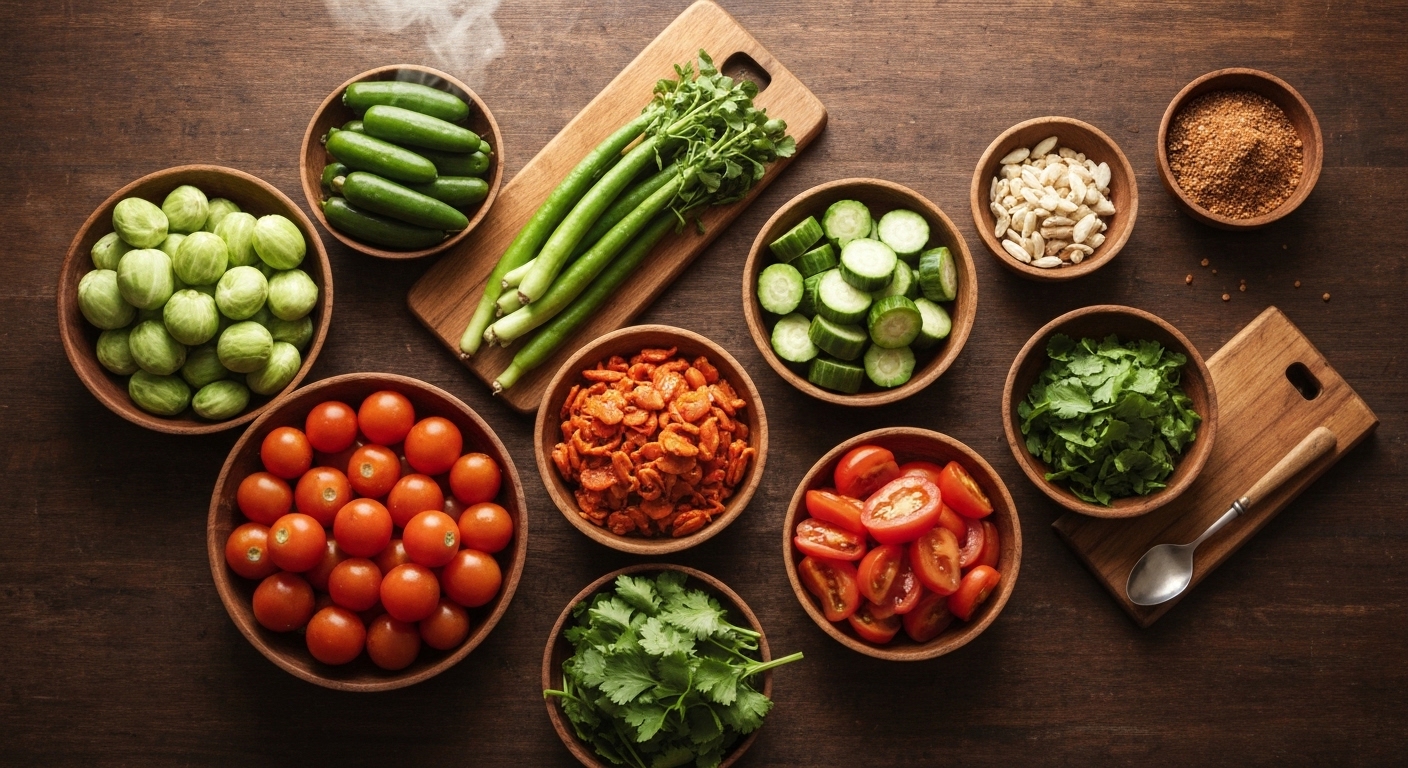
The Invisible Cost of Wilted Vegetables
We've all been there: we buy a bag of spinach or a bunch of cilantro with the best intention of cooking healthy, but three days later we find a dark, damp mass in the fridge drawer. This waste is not only frustrating but also represents a constant leak of money in our monthly budget. Learning how to properly store vegetables in the fridge is one of the most important skills for anyone looking to save on groceries and create a more efficient kitchen.
The secret to making vegetables last for weeks is not having the most expensive fridge, but understanding that each food has different moisture and temperature needs. In this guide, we will explore proven methods to prevent food spoilage and maximize every peso spent on your weekly shopping.
Golden Rules Before Storing Your Vegetables
Before diving into details for each type of vegetable, there are three basic principles that apply to almost everything you buy in the fresh section:
- Do not wash everything immediately: Moisture is the main enemy of preservation. If you wash vegetables as soon as you come back from the market and do not dry them perfectly, excess water will accelerate the growth of mold and bacteria. It's better to wash just before consuming.
- Paper towels are your best ally: Placing an absorbent paper towel in containers or bags helps manage ambient moisture, keeping vegetables fresh for longer.
- Separate ethylene emitters: Some fruits and vegetables (like tomatoes or apples) release ethylene gas, which speeds up the ripening of nearby produce. Keep leafy greens away from these fruits to prevent them from turning yellow prematurely.
How to Store Leafy Greens (Lettuce, Spinach, Swiss Chard)
Leafy greens are the most delicate. To keep them for up to two weeks, the 'airtight container' method is the most effective. First, remove any damaged or wilted leaves to prevent them from contaminating the rest. If you choose to wash them beforehand, make sure to use a salad spinner or dry them very well with a clean cloth.
Place a base of paper towel in a glass or plastic container, add the leaves without packing them too tightly, and place another layer of paper on top before sealing. This creates a controlled environment where the leaves can breathe but do not dehydrate or become soggy. These kitchen tips can double the shelf life of your salads.
Root Vegetables: Carrots, Radishes, and Beets
Carrots and radishes tend to go soft quickly because they lose water. An expert trick for storing these vegetables in the fridge is to keep them in a glass jar fully submerged in cold water. You should change the water every two to three days. This way, carrots stay crunchy like the first day for almost a month.
If you don't have space for jars with water, remove the green tops they come with (as these draw moisture from the root) and store them in a reusable bag with a piece of paper towel to absorb condensation.
Cruciferous Vegetables: Broccoli and Cauliflower
Broccoli and cauliflower often turn yellow or develop dark spots due to lack of air circulation. To store them, do not keep them in tightly sealed plastic bags. Ideally, wrap the head of broccoli in a damp cloth or place it in a container with the stem down in a little water, like a bouquet of flowers, loosely covering the top.
Herbs: Cilantro, Parsley, and Celery
Cilantro and parsley are notorious for spoiling within days. To prevent this, treat them like flowers: cut a bit off the base of the stems and place them in a glass with a couple of centimeters of water. Cover the top with a clean plastic bag and secure it with a rubber band. This method allows cilantro to last up to three weeks in the fridge, which means significant savings on groceries by not having to constantly replenish it.
Which Vegetables Should NOT Go in the Fridge?
Part of knowing how to store vegetables in the fridge is recognizing which ones suffer in the cold. Storing certain foods in the refrigerator can alter their flavor, texture, and speed up their decomposition:
- Tomatoes: Cold breaks down cell membranes and makes them mealy, plus they lose their flavor. Leave them on the counter, away from direct sunlight.
- Onions and Garlic: They need ventilation and a dry place. In the fridge, they become soft and may sprout due to moisture.
- Potatoes: Cold converts starch into sugar, changing their flavor and texture when cooked. Store them in a dark, cool place.
Organizational Habits for Real Savings
To prevent food spoilage, organization is as important as the storage technique. Apply the FIFO (First In, First Out) system: the first items in are the first ones out. Place older vegetables at the front of the drawer and the new ones at the back.
Do a quick check of your fridge twice a week. If you notice a pepper starting to wrinkle or green beans losing firmness, prioritize them in your next meal. You can sauté them, include them in a soup, or even chop them and freeze them for later use in stews. Budget-friendly cooking is based on observation and quick action before food becomes irretrievable.
Conclusion: Less Waste, More Budget
Learning how to store vegetables in the fridge doesn't require expensive tools or a lot of time; it's a matter of habits. By spending ten minutes after grocery shopping to organize and protect your vegetables, you are safeguarding your money and ensuring your family consumes fresh, nutritious food. Savings on groceries are not just about buying cheap, but ensuring that every gram of food you buy effectively makes it to your plate.
Frequently Asked Questions (FAQ)
Can vegetables be frozen if I see they are going to spoil?
Yes, most vegetables like carrots, broccoli, green beans, and spinach can be frozen. Ideally, blanch them (boil for a minute and then plunge into ice water) before freezing to maintain their color and nutrients.
Is it better to use plastic bags or glass containers?
Glass is superior for maintaining freshness and is more hygienic, but reusable silicone or plastic bags with ventilation also work well if moisture is managed properly with paper towels.
Why do my cucumbers get watery in the fridge?
Cucumbers are very sensitive to excessive cold. Ideally, store them in the least cold part of the fridge (usually the door or top shelves) and wrap them individually in paper towels to protect them from moisture.
Try the tool for free
Discover a more practical way to cook better and spend less.
Try the tool for freeIf you found this article interesting, you can also read:
¿Listo para cocinar con inteligencia?
Genera recetas personalizadas con IA, adaptadas a tu presupuesto y tus ingredientes.