
 Colombia
 México
 Italia
 Francia
 Alemania
💪 Strengthening Your Core at Home: A Practical Guide to Improve Your Posture and Daily Energy
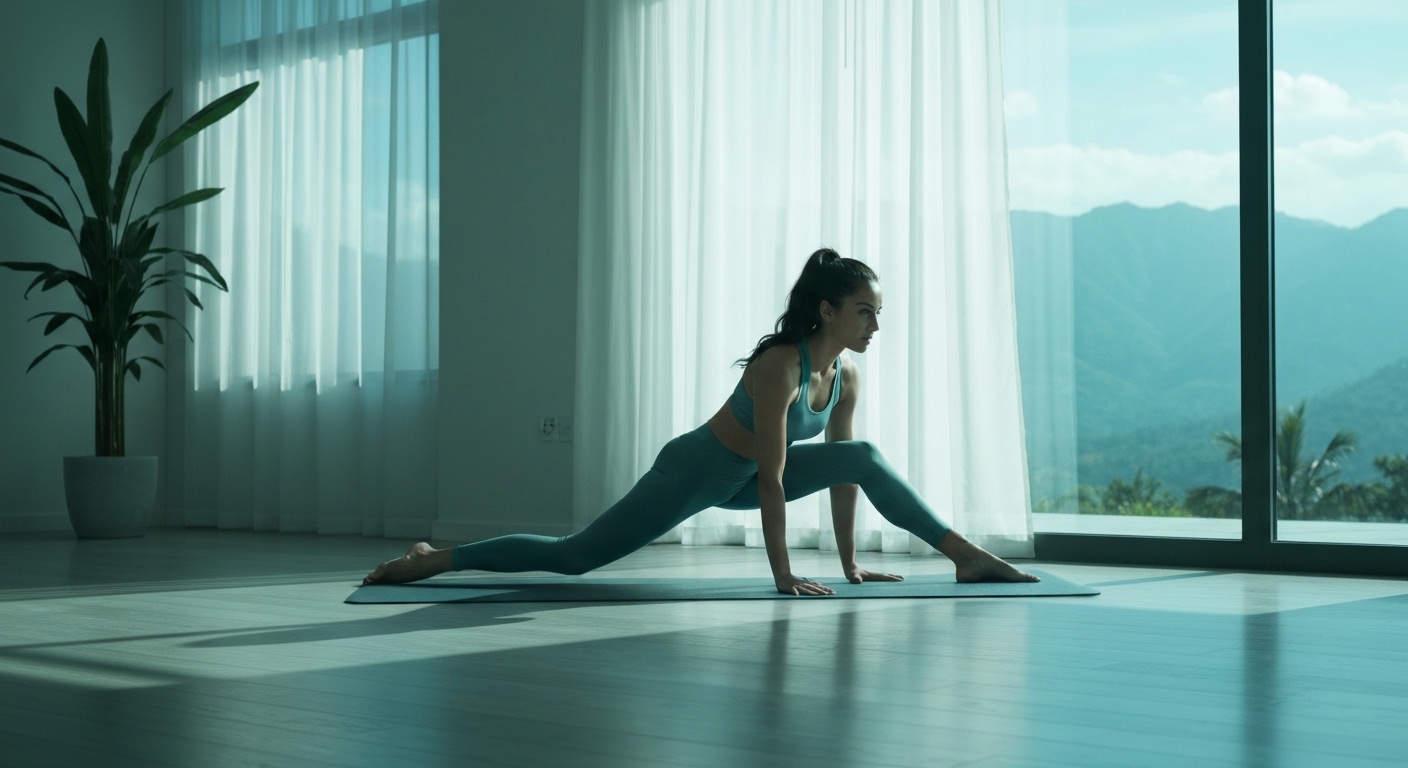
The Challenge of Staying Active in a Sedentary World
Nowadays, spending long hours in front of a screen has become the norm for many of us. Whether for work, study, or entertainment, our bodies often adopt postures that, in the long run, take their toll. It’s common to feel that persistent discomfort in the lower back at the end of the day or to notice that our energy quickly declines. Many times, the solution isn’t in exhausting gym routines, but in paying attention to our center of gravity: the core.
When we talk about doing core exercises at home, we’re not just referring to seeking a toned abdomen for summer. The core is much more than the superficial muscles we see in the mirror; it’s the muscular complex that stabilizes our spine, protects our organs, and allows us to move with grace and efficiency. Strengthening this area is perhaps one of the smartest investments you can make for your long-term well-being.
What is the Core Really and Why is it Your Power Center?
There is widespread confusion in thinking that the core is synonymous with 'abs'. In reality, the core is an integral system that includes the abdominal muscles (rectus, transverse, and obliques), the lower back muscles, the pelvic floor, the diaphragm, and the muscles surrounding the hips. Imagine it as your body’s natural corset.
Having adequate core strength acts as a protective shield. When your core is strong, your limbs can function better. Whether you’re trying to lift a heavy grocery bag or simply sit up straight during a meeting, it’s your core that’s doing the heavy lifting of stabilization. Without a solid center, the body compensates by using other structures, which often leads to back, neck, or knee pain.
Real Benefits of Training Your Core Without Leaving Home
The advantage of core exercises is that most can be performed using only your body weight. You don’t need expensive machines or gym memberships to start noticing positive changes. Here are some benefits you’ll feel in just a few weeks:
- Improved Posture: A strong core helps you maintain a natural alignment of the spine, preventing your shoulders from slumping forward.
- Reduced Lower Back Pain: By stabilizing the spine, excessive pressure on the lumbar vertebrae is relieved.
- Greater Balance and Stability: Essential for preventing falls and improving performance in any other physical activity, from walking to dancing.
- Efficiency in Movement: With a stable center, you expend less energy performing daily tasks.
Common Mistakes to Avoid
Before taking action, it’s vital to understand that in core training, quality always outweighs quantity. Many beginners make the mistake of doing hundreds of repetitions quickly, which can be counterproductive.
One of the most frequent mistakes is holding your breath (apnea). The diaphragm is part of the core, so breathing smoothly while maintaining muscle tension is key. Another mistake is excessively arching the back; if you feel pain in the lower back while doing an abdominal exercise, it’s likely that your technique needs adjustment or that the exercise is too advanced for your current level. It’s always better to opt for a simplified version and maintain full control of the movement.
Practical Routine to Start Today
This routine is designed to be completed in about 20 to 25 minutes. It requires no equipment, although a mat or comfortable carpet will help protect your joints. Remember to listen to your body and rest if you feel any sharp discomfort.
1. Warm-Up (5 minutes)
The goal is to awaken the mind-muscle connection and prepare the joints.
- Cat-Cow: In a four-point position (hands and knees), arch your back upwards while exhaling and then let it drop gently while inhaling and looking forward. Repeat 10 times.
- Hip Circles: Standing, make gentle circular movements with your hips to release tension in the lower back. 1 minute.
- Transverse Activation: Lying on your back with your knees bent, try to pull your belly button towards your spine without stopping breathing. Hold for 5 seconds and relax. Repeat 5 times.
2. Main Block: Core Strength (15 minutes)
Perform 3 sets of this circuit, resting 45 seconds between each exercise.
- Dead Bug: Lying on your back, raise your arms and legs (knees at 90 degrees). Slowly lower your right arm and left leg simultaneously without letting your back lift off the ground. Alternate sides. Perform 10 total repetitions.
- Bird-Dog: In a four-point position, extend your right arm forward and left leg back. Keep your back straight like a table. Hold for 3 seconds and switch. Perform 10 total repetitions.
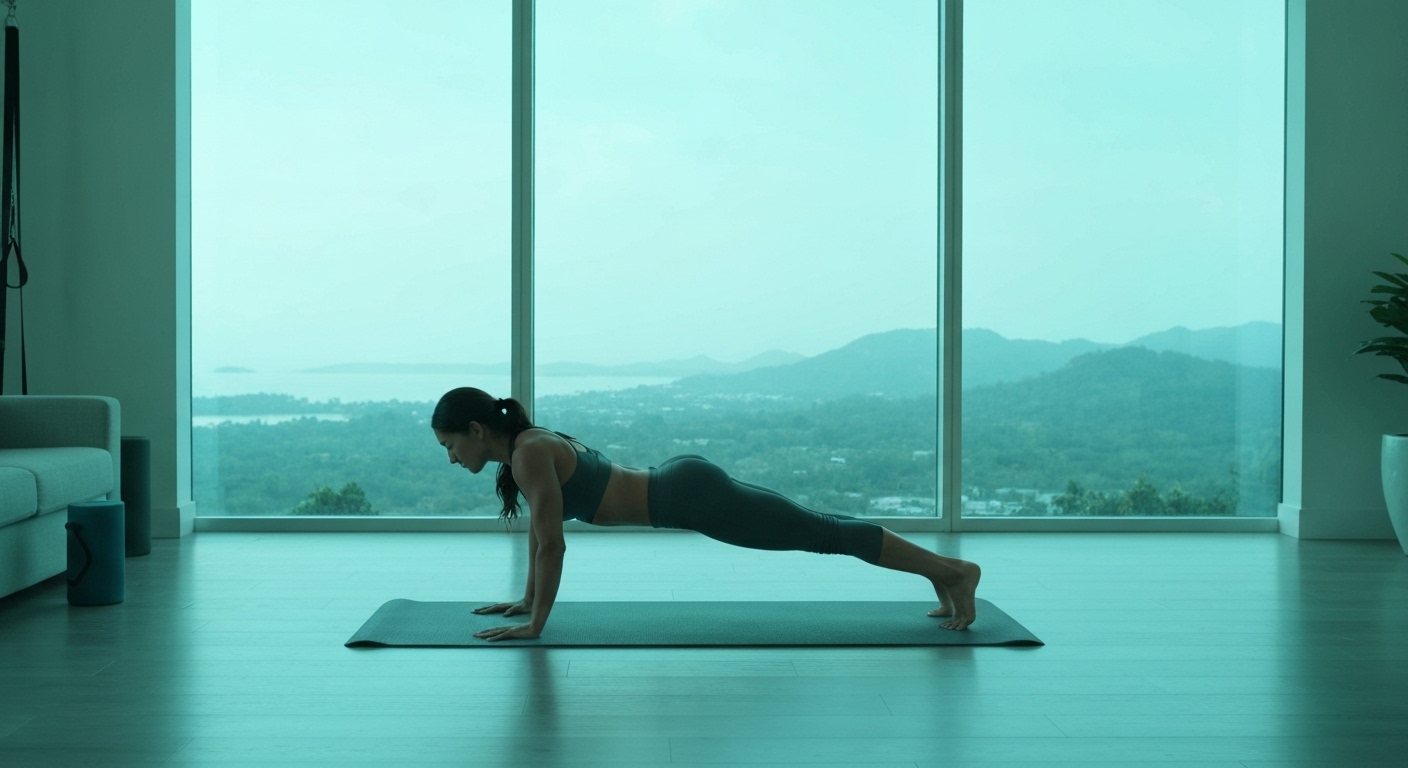
- Modified Front Plank: Support your forearms and knees on the ground. Keep your body in a straight line from your head to your knees. Make sure not to let your hips drop. Hold for 20-30 seconds.
- Glute Bridge: Lying on your back, raise your hips towards the ceiling by squeezing your glutes and abdomen. Lower slowly. Perform 12 repetitions.
3. Stretching and Cool Down (5 minutes)
It’s essential to cool down so that the nervous system can relax.
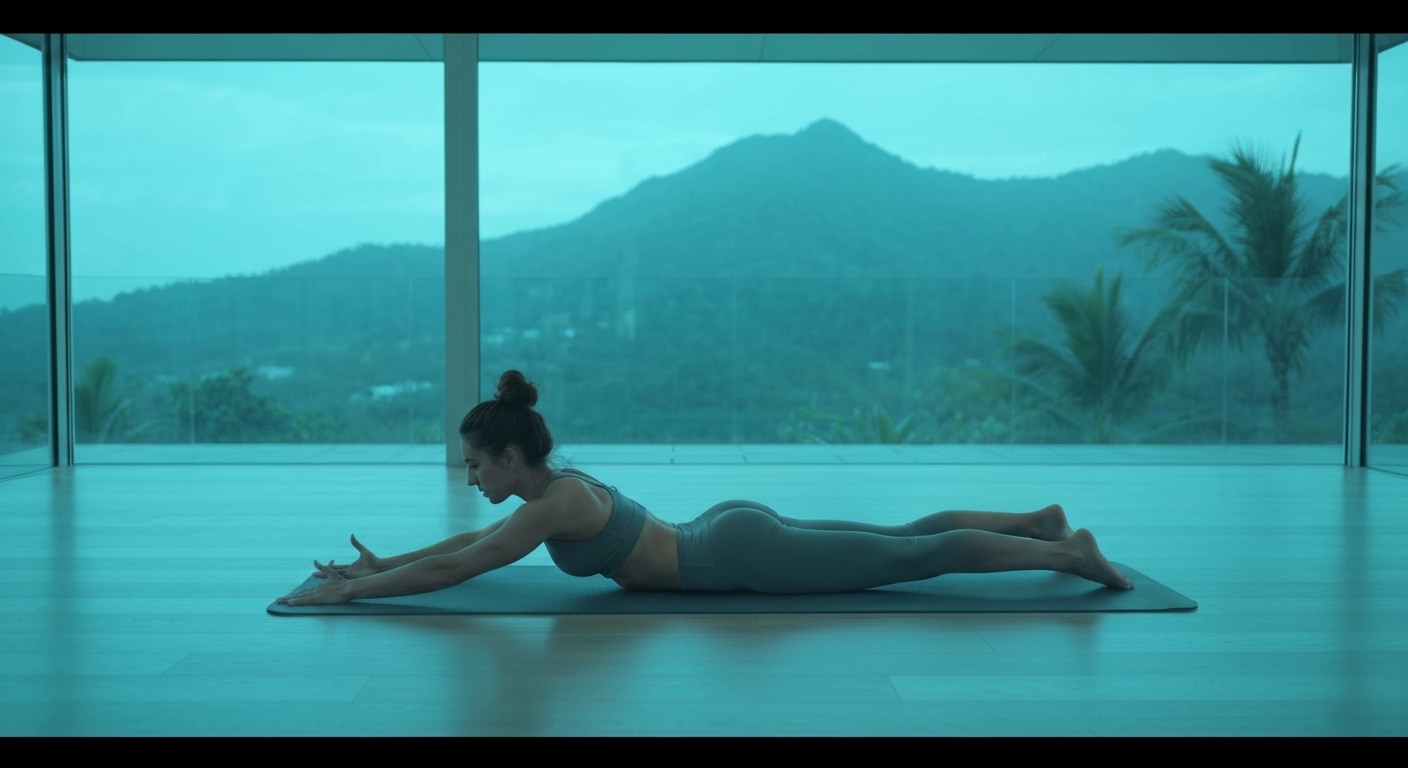
- Child's Pose: Kneeling, bring your glutes towards your heels and extend your arms forward on the ground. Breathe deeply for 2 minutes.
- Gentle Spinal Twist: Lying on your back, let both knees fall to one side while keeping your shoulders pressed to the ground. 1 minute on each side.
Tips for Maintaining Consistency
The key to any basic routine is not the intensity of a single day, but the repetition over time. Don’t try to do this routine every day from the start. Begin with two or three times a week. Well-being is a marathon, not a sprint. Celebrate small achievements, like noticing that you sit up straighter or that you tire less when carrying grocery bags.
Remember that strengthening your core is an act of self-care. You are building the foundations of a more resilient and functional body. With patience and these core exercises at home, you will see how your quality of life improves naturally and sustainably.
Frequently Asked Questions about Core Exercises
If the pain is chronic or acute, it’s best to consult a healthcare professional. However, for mild discomfort due to sedentarism, these gentle exercises often help strengthen the muscles that support the spine, relieving tension.
The internal benefits, such as better posture and less fatigue, can be felt in 2 to 3 weeks. Changes in core strength are progressive and depend on consistency in your weekly practice.
Not necessarily. Stabilization exercises like the plank or bird-dog tend to be more effective and safer for spinal health than traditional crunches, as they work the core functionally.
Explore more health tips in our articles on healthy habits to start the day, our office stretching guide, and how to improve your daily posture easily.
Activa tu bienestar hoy
Empieza con una rutina sencilla y construye el hábito paso a paso.