
 Colombia
 México
 Italia
 Francia
 Alemania
⚖️ Weekly Menu to Lose Weight: Practical Guide with Very Cheap Ingredients

How to Lose Weight Without Breaking the Bank
There is a popular belief that eating healthy and losing weight is a luxury reserved for those who can buy fresh salmon, imported chia seeds, or expensive supplements. However, the reality of nutrition is much simpler and more accessible. To lose weight, the determining factor is energy balance, and this can be perfectly achieved with basic ingredients found in any local market.
The secret to a weekly menu to lose weight that is truly sustainable lies not in the 'light' or 'fit' products from the supermarket, which tend to be more expensive, but in going back to basics: legumes, eggs, whole grains, and seasonal vegetables. In this article, we will show you how to organize an effective meal plan that is realistic and, above all, very economical.
The Pillars of a Cheap Caloric Deficit
To lose weight, the body needs to enter a state of caloric deficit, meaning it consumes less energy than it expends. Achieving a cheap caloric deficit is possible if we prioritize foods that offer a lot of satiety for a low price. Here are the essential allies for your wallet:
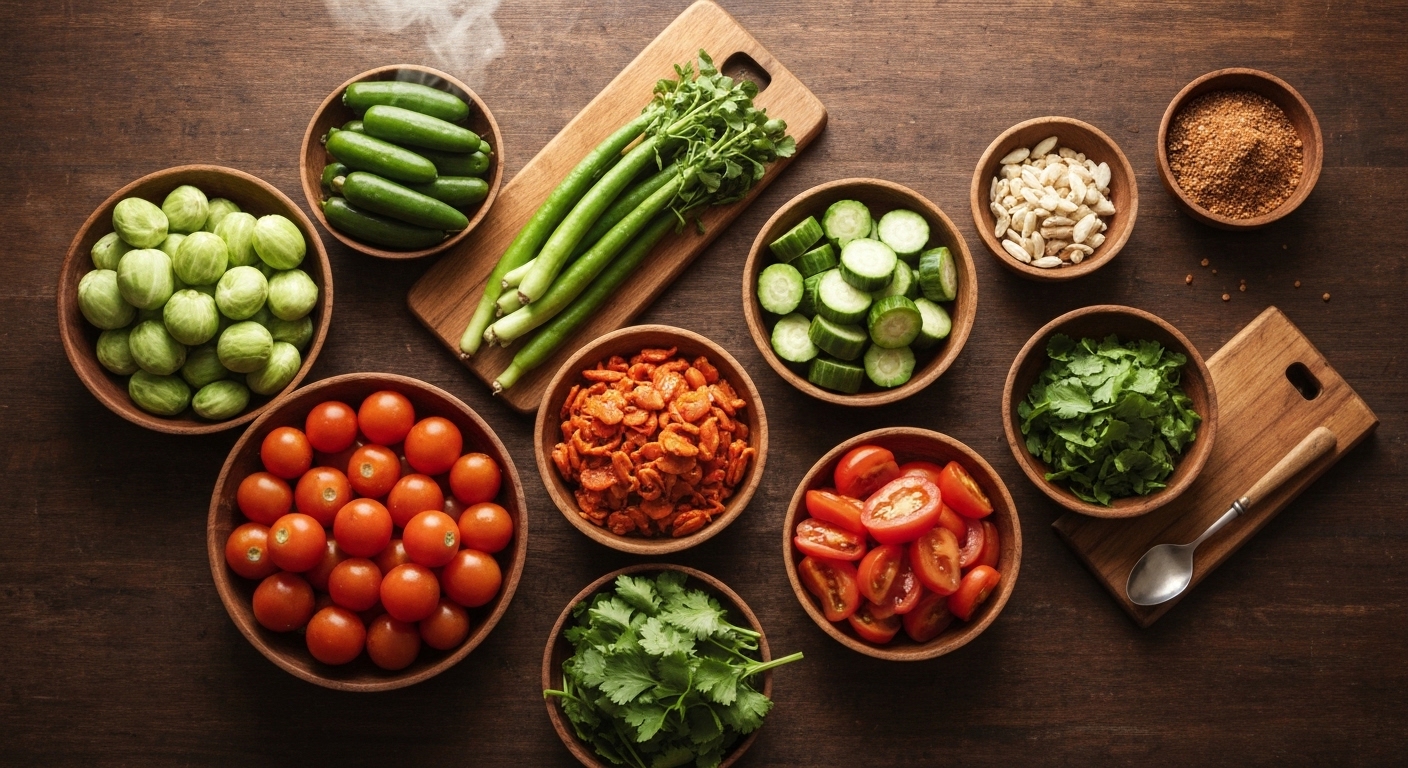
- Legumes (Lentils, chickpeas, beans): They are the most economical source of protein and fiber available. Fiber is key because it keeps you full longer, preventing snacking between meals.
- Eggs: They are the highest biological value protein and one of the cheapest. A couple of eggs can make for a nutritious breakfast or dinner.
- Oats: Much cheaper than boxed cereals and with a low glycemic index that helps control anxiety.
- Seasonal vegetables: Buying what is in season reduces costs by up to 50%. Don't look for exotic vegetables; cabbage, carrots, and onions are nutritional powerhouses at low cost.
- Brown rice and whole wheat pasta: They provide lasting energy and are the perfect base to complete any dish.
Structure of Your Weekly Menu to Lose Weight
Below, we present a proposed weekly menu to lose weight designed for an average person. Remember that portions should be adjusted to your level of physical activity.
Monday: The Power of Legumes
- Breakfast: Cooked oats with water or a little milk and a seasonal fruit (like banana or apple).
- Lunch: Stewed lentils with carrots and onions, accompanied by a small portion of rice and cabbage salad.
- Dinner: Two-egg omelet with spinach or any inexpensive leafy green.
Tuesday: Accessible Protein
- Breakfast: Two scrambled eggs with tomato and a slice of whole grain bread or a corn tortilla.
- Lunch: Chicken thigh (cheaper than breast) baked or pan-fried with pumpkin puree.
- Dinner: Chickpea salad with onion, tomato, and a splash of vinegar.
Wednesday: Complex Carbs and Satiety
- Breakfast: Natural yogurt (purchased in large containers to save) with a bit of oats.
- Lunch: Whole wheat pasta with canned tuna (in water) and lots of sautéed vegetables (broccoli or zucchini).
- Dinner: Homemade vegetable soup with a chopped hard-boiled egg.
Thursday: Versatility in the Kitchen
- Breakfast: Whole grain toast with a bit of fresh cheese or cottage cheese.
- Lunch: Bean stew with pieces of pumpkin and a minimal portion of rice.
- Dinner: Stir-fried vegetables with tofu or leftover chicken from Tuesday.
Friday: Simple Flavors
- Breakfast: Oat smoothie, water, and a fruit.
- Lunch: Economical white fish (depending on local availability) steamed with boiled potatoes and green salad.
- Dinner: Tuna sandwich with plenty of lettuce and tomato on whole grain bread.
Saving Strategies and Meal Prep
For your economic diet to work in the long term, organization is key. 'Meal Prep' or advance preparation not only saves you time but also prevents you from buying fast food out of desperation or extreme hunger.
1. Buy in Bulk
Ingredients like rice, dried beans, and oats are much cheaper when bought in large bags of 1 or 2 kilos instead of individual portions. These non-perishable foods are the foundation of your savings pantry.
2. Batch Cooking
Spend a couple of hours on Sunday cooking a large pot of lentils or beans. You can freeze portions and have the base for your lunches ready. This reduces gas or electricity expenses and ensures you stick to your meal plan without excuses.
3. Waste Nothing
Vegetable stems can be used to make broths. Overripe fruits are perfect for oats or smoothies. Learning to use leftovers is the most direct way to lower your weekly budget.
Conclusion: Consistency Beats Budget
Losing weight does not require products labeled as 'superfoods'. A weekly menu to lose weight based on natural and economical ingredients is, in fact, healthier than many processed diets. By focusing on real foods and controlling portions, you will see results in your health and in your bank account. The key is simplicity: cook at home, choose seasonal ingredients, and maintain discipline.
Frequently Asked Questions
No, rice is not the enemy. What matters is the quantity. A moderate portion (half a cup cooked) within a caloric deficit is perfectly acceptable and economical.
Legumes combined with grains (like rice and beans) form a complete protein. Eggs and tofu are also much cheaper alternatives than cuts of red meat.
No, it's not necessary. To lose weight, what matters is the nutritional value and calories. Washing conventional fruits and vegetables well is enough for a healthy and economical diet.
Explore more tips to improve your diet:
¿Listo para cocinar con inteligencia?
Genera recetas personalizadas con IA, adaptadas a tu presupuesto y tus ingredientes.