
 Colombia
 México
 Italia
 Francia
 Alemania
💪 15-Minute Routine: The Secret to Staying Active on Busy Days

The Challenge of Finding Time for Yourself
In the fast-paced rhythm of modern life, lack of time has become the number one excuse for neglecting our physical health. Between work responsibilities, household chores, and social commitments, it seems almost impossible to dedicate a full hour to the gym or a yoga class. However, wellness should not be a luxury reserved for those with empty schedules. Sedentary lifestyles and accumulated stress are real problems that affect our energy and mood, but the solution does not always require large investments of time.
The idea that only prolonged exercise is effective is a myth we must debunk. Current wellness science suggests that short but consistent movements, known as micro-workouts, can have a significant impact on cardiovascular health, flexibility, and, above all, mental health. A 15-minute routine is not only possible but is a powerful tool to break the cycle of inactivity without the pressure of an exhaustive workout.
Why 15 Minutes is Enough for Your Wellness?
When we talk about a 15-minute routine, we are not referring to a magic solution but to a sustainable habit. The main goal is body activation. When we move, our body releases endorphins, improves blood circulation, and reduces cortisol levels, the stress hormone. For someone who spends eight hours sitting in front of a computer, fifteen minutes of conscious movement represents a radical change in their physiology.
The focus of this type of quick exercise is efficiency. By concentrating on movements that engage multiple muscle groups at the same time, we maximize the benefit in the least amount of time possible. Additionally, the ease of integrating this time into the daily schedule—whether before the morning shower, during the lunch break, or upon arriving home—eliminates the mental friction that often accompanies long workouts. Daily wellness is built with small victories, and completing 15 minutes is an achievable victory for anyone.
Overcoming the Mental Barrier of "All or Nothing"
One of the biggest obstacles to short fitness is the mindset of "if I can't do it perfectly, I might as well not do it at all." Many of us think that if we don't sweat for an hour, the effort doesn't count. This belief is counterproductive and often leads to abandonment. Real wellness is based on consistency, not on sporadic extreme intensity.
Accepting that 15 minutes are valuable is an act of self-care. It is recognizing that your body deserves attention even on your most chaotic days. By adopting this realistic approach, you reduce guilt and increase the chances of maintaining the habit long-term. It's not about transforming your body overnight, but about feeling better in your own skin every day.
Practical Routine to Start Today
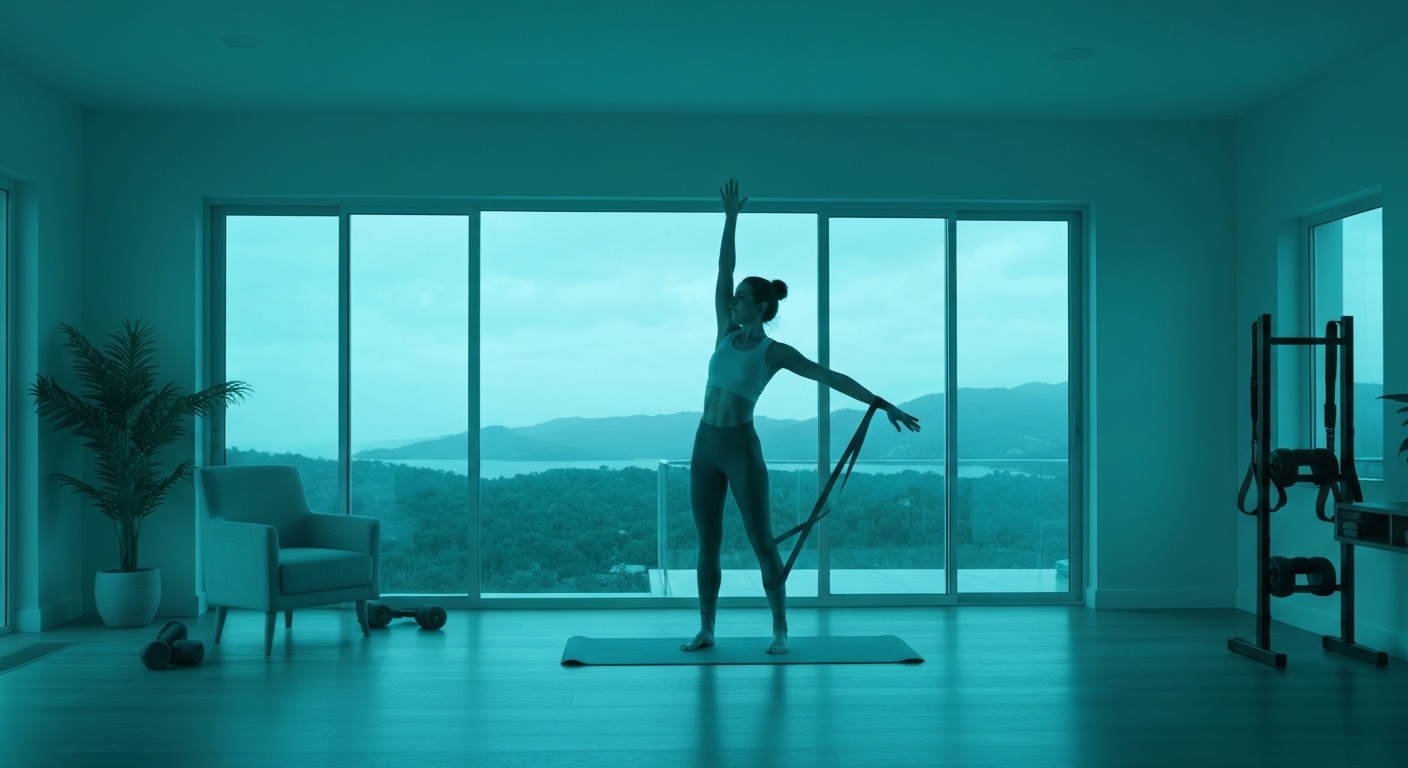
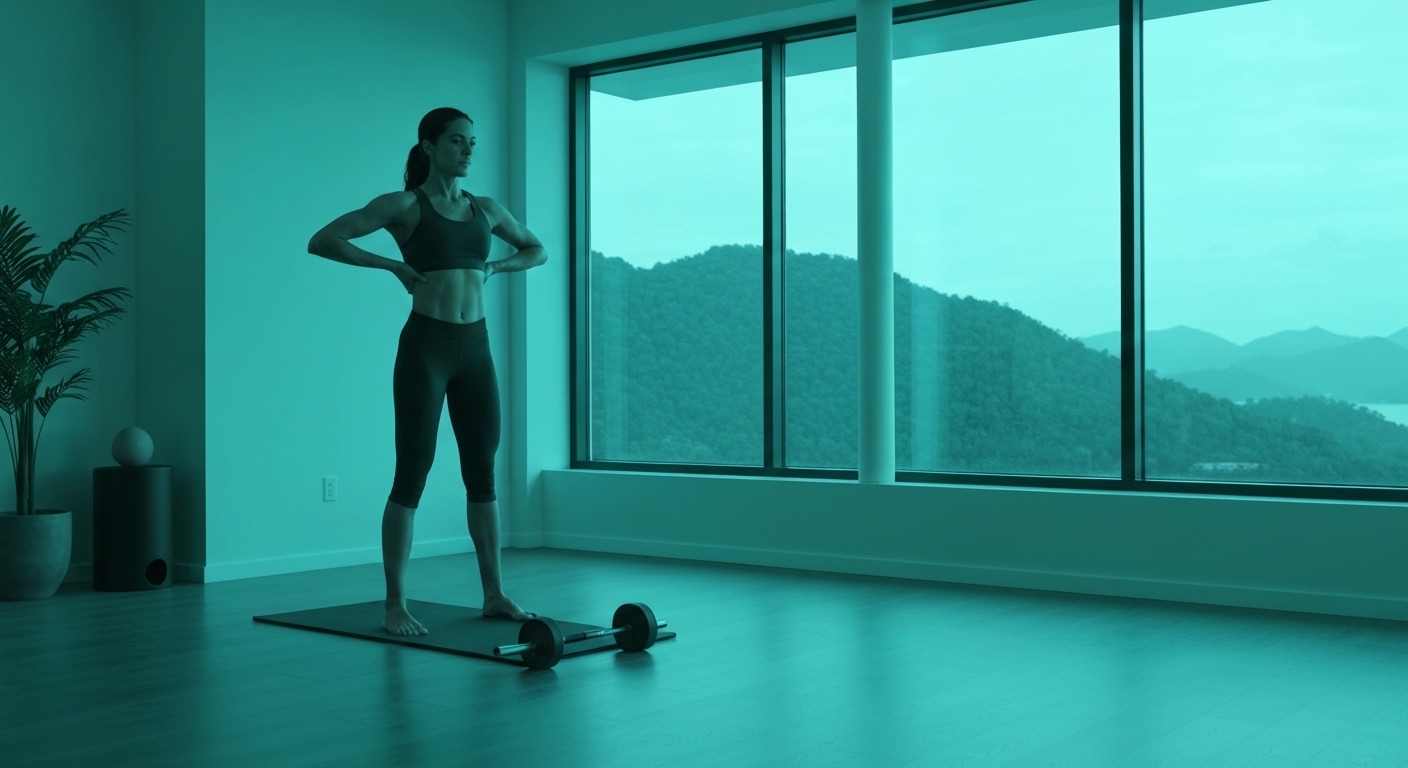
This routine is designed to be performed in any small space, without the need for special equipment and with a moderate intensity level, ideal for beginners or those seeking general activation.
Phase 1: Dynamic Warm-Up (3 Minutes)
- Joint Rotations: Make gentle circles with your neck, shoulders, wrists, and ankles to lubricate the joints.
- Marching in Place: Walk in place, lifting your knees slightly and moving your arms naturally.
- Chest Openers: Open and close your arms laterally to awaken the muscles of your back and torso.
Phase 2: Main Activity - Strength and Mobility Circuit (10 Minutes)
Perform each exercise for 45 seconds, followed by 15 seconds of rest. Repeat the circuit twice.
- Controlled Squats: Lower your hips as if you were going to sit in an invisible chair, keeping your back straight and weight on your heels.
- Wall or Floor Push-Ups: If you are a beginner, place your hands on a wall and perform the push-up. If you have more experience, do it on the floor with your knees down.
- Alternating Lunges: Step forward and lower your back knee towards the ground, maintaining balance.
- Plank (Core): Support your forearms and toes, keeping your body aligned like a plank. Hold the position for as long as comfortable.
- Heel Raises: Stand up and rise onto your toes to strengthen your calves and improve venous return.
Phase 3: Closure and Cool Down (2 Minutes)
- Spinal Stretch: Standing, stretch your arms towards the ceiling and then let them fall gently towards the ground, relaxing your neck.
- Conscious Breathing: Take three deep breaths in through your nose and exhale slowly through your mouth to stabilize your heart rate.
Tips for Integrating Daily Wellness into Your Life
To make this 15-minute routine a part of your lifestyle, consider the following practical tips:
- Link the Habit: Do your routine right after something you already do regularly, like having your first cup of coffee or closing your laptop at the end of work.
- Prepare Your Environment: You don’t need a gym, but having a clear space and comfortable clothes on hand reduces resistance to starting.
- Listen to Your Body: If one day you feel less energetic, reduce the intensity but try to complete the time. The important thing is the commitment to movement.
- Eliminate Distractions: Put your phone on "do not disturb" mode. These 15 minutes are a gift for you, not for your notifications.
Remember that the goal is not aesthetic perfection but functionality and mental health. A body that moves is a body that processes stress better and rests more easily. By simplifying your expectations, you open the door to sustainable wellness that truly fits into your reality.
Frequently Asked Questions (FAQ)
1. Is it really effective to do just 15 minutes of exercise?
Yes. To combat sedentary behavior and improve metabolic health, consistency is more important than duration. 15 minutes daily adds up to almost two hours of activity per week, which is significantly better than total inactivity.
2. Can I do this routine every day?
Being a routine of moderate intensity and low impact, it is safe to perform it daily. However, it is always advisable to listen to your body and rest if you feel accumulated fatigue.
3. Do I need special sports shoes?
For a low-impact home routine, you can wear comfortable sports shoes or even do it barefoot if the floor is not slippery, which helps strengthen the foot muscles.
Explore more health tips in our articles on mindful eating, how to achieve restorative sleep, and effective techniques for stress management.
Activa tu bienestar hoy
Empieza con una rutina sencilla y construye el hábito paso a paso.