
 Colombia
 México
 Italia
 Francia
 Alemania
🧘 Exercises to Improve Posture at Home: Step-by-Step Guide for a Healthy Back
The Challenge of Maintaining Good Posture in the Digital Age
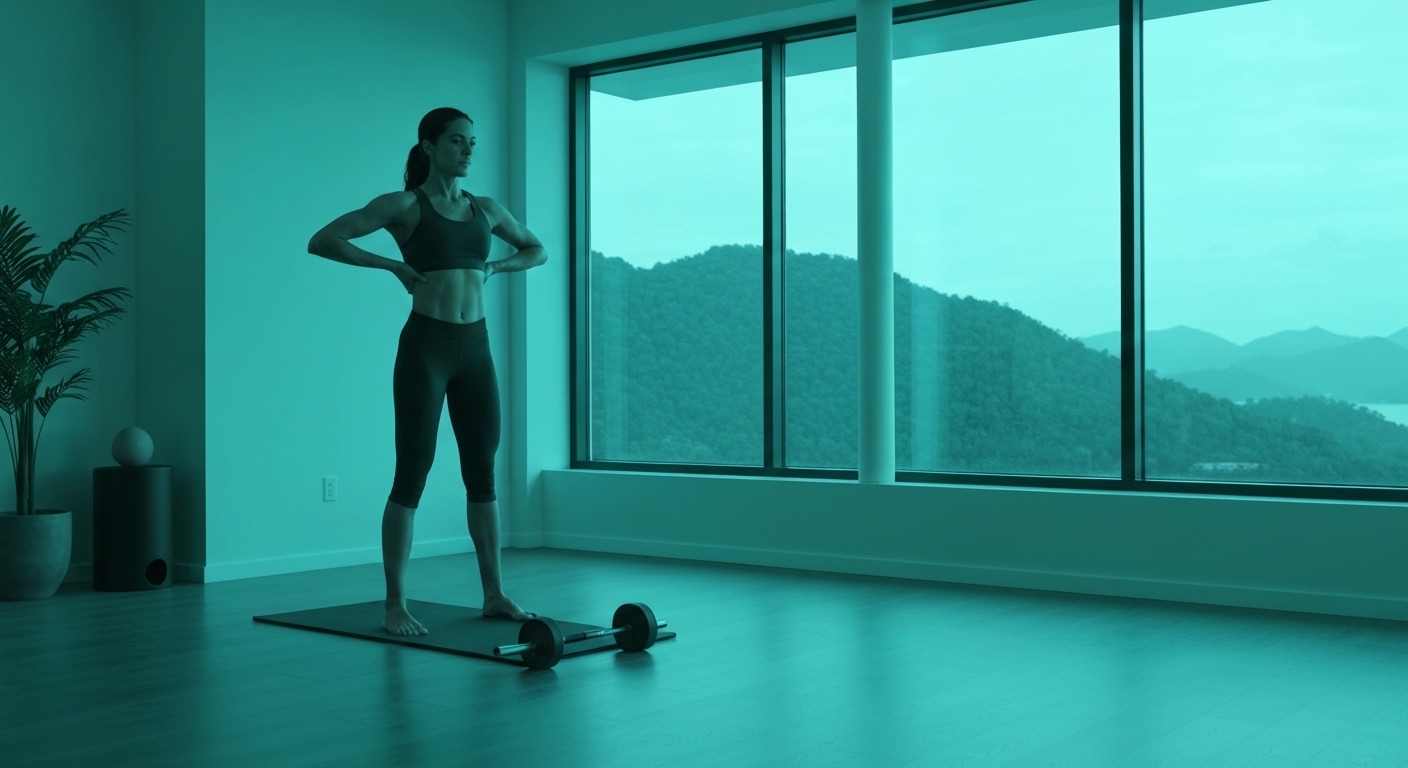
We spend a large part of our day in front of screens, whether working on a computer, checking our phones, or relaxing on the couch. Unbeknownst to us, our bodies tend to adopt a 'C' shape: shoulders round forward, head juts forward, and lower back loses its natural curvature. This sedentary lifestyle and lack of body awareness often lead to persistent discomfort, fatigue, and a feeling of heaviness at the end of the day.
The good news is that you don't need to become a high-performance athlete or spend hours in the gym to correct these habits. The key lies in consistency and integrating home posture exercises that promote mobility and strengthen stabilizing muscles. In this guide, we will explore how you can transform your physical well-being with realistic and sustainable movements.
Why Is It So Important to Care for Our Body Posture?
Beyond aesthetics, body posture directly influences our overall health. Proper alignment allows the lungs to expand correctly, improving oxygenation throughout the body. Additionally, it distributes weight evenly across the joints, reducing premature wear and preventing unnecessary muscle tension.
When we talk about improving posture, we don't mean being 'stiff as a board,' but rather developing our body's ability to move efficiently and hold itself up without excessive effort. Mobility and flexibility are fundamental pillars to achieve this balance.
Key Exercises to Perform in Any Corner of Your Home
To start noticing changes, it's essential to focus on three areas: chest opening, thoracic spine mobility, and core strengthening. Here are some basic movements:
1. Cervical Retraction (Chin Tucks)
This exercise is ideal for combating 'text neck.' Sitting or standing with a straight back, pull your chin back as if you want to create a double chin, without tilting your head up or down. Feel the stretch in the back of your neck. Hold for 3 seconds and relax.
2. Wall Slides
Lean your back, glutes, and head against a wall. Bend your elbows at 90 degrees and rest your arms against the wall as well. Slowly slide your arms up and down, trying not to lift them off the surface. This is one of the best home posture exercises for opening the chest and activating the upper back.
3. Bird-Dog
In a four-point position (hands and knees on the floor), simultaneously extend your right arm forward and your left leg back. Keep your back neutral and your abdomen engaged. Switch sides. This movement improves spinal stability and balance.
Practical Routine to Start Today
This routine is designed to be completed in about 20 minutes. It requires no equipment and is suitable for all levels. Remember to listen to your body and not force any movement that causes pain.
Phase 1: Warm-Up (5 minutes)
- Shoulder Rotations: 10 circles backward and 10 forward.
- Neck Side Bends: 5 gentle repetitions per side.
- Cat-Cow: On all fours, arch your back looking at the ceiling and then curve it looking towards your navel. Repeat 10 times.
Phase 2: Main Activity (12 minutes)
- Cervical Retraction: 2 sets of 10 repetitions.
- Wall Slides: 3 sets of 8 controlled repetitions.
- Bird-Dog: 3 sets of 10 total repetitions (alternating sides).
- Glute Bridge: Lying on your back with knees bent, lift your hips by contracting your glutes. 3 sets of 12 repetitions. This helps stabilize the pelvis.
Phase 3: Closure and Stretching (3 minutes)
- Chest Stretch in Door Frame: Place your arms in the frame of a door and take a small step forward until you feel the stretch in your pectorals. Hold for 30 seconds.
- Child's Pose: Sit on your heels and stretch your arms forward on the ground to relax your lower back.
Daily Habits to Maintain Results
The exercises are effective, but what you do the rest of the day also matters. Here are some practical tips:
- 30-Minute Rule: Set an alarm to get up, stretch, or simply change positions every half hour if you work seated.
- Adjust Your Screen: Ensure that the top edge of your monitor is at eye level to avoid tilting your neck.
- Walk Mindfully: When walking, imagine an invisible thread pulling the crown of your head towards the sky, keeping your shoulders relaxed.
Frequently Asked Questions
Improving posture is a gradual process. If you are consistent with the exercises, you might start to feel less tension in 2 to 3 weeks, but structural changes require months of practice and daily awareness.
If the pain is mild due to muscle tension, these exercises usually help. However, if the pain is sharp, stabbing, or radiates down your legs, it is essential to consult a professional before starting any routine.
It is not strictly necessary. The weight of your own body and gravity are sufficient to perform these basic mobility and strengthening exercises at home.
Explore more tips for your daily life in our articles on healthy habits in the office, learn about morning stretches to start the day with energy, or discover our complete joint mobility guide.
Activa tu bienestar hoy
Empieza con una rutina sencilla y construye el hábito paso a paso.