
 Colombia
 México
 Italia
 Francia
 Alemania
🥗 5 Affordable and Complete Jar Salads for the Office
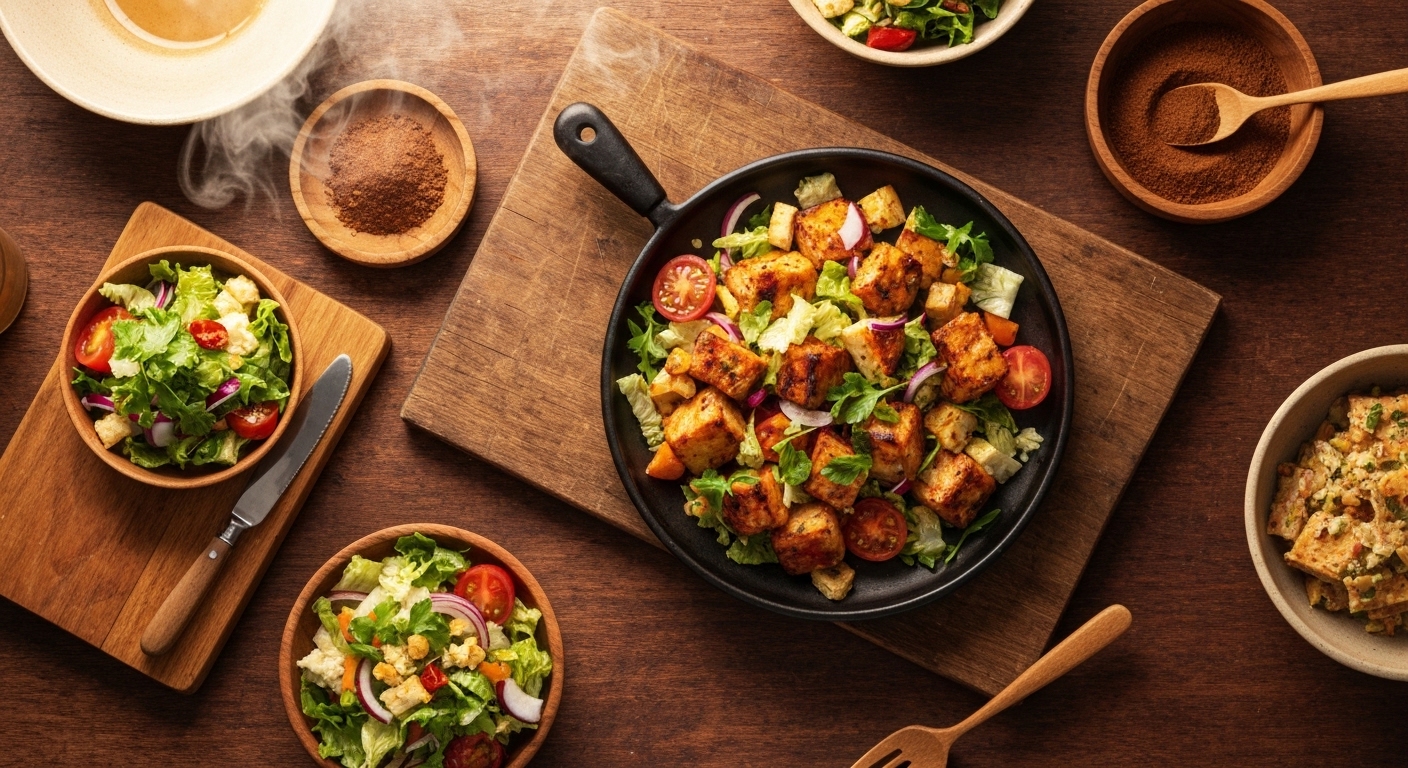
The Art of Jar Salads: Savings and Freshness in One Container
Eating out every day represents one of the most significant expenses in the monthly budget of any worker. Between the cost of restaurants and the temptation to order fast food, both the wallet and health often suffer. However, there is a practical, economical, and visually appealing solution: jar salads. This preparation method, also known as 'salad in a jar', is not just a social media trend; it is a healthy meal prep technique that keeps ingredients fresh for much longer.
The main problem with taking a traditional salad to work is that by lunchtime, the greens are usually wilted, and the rest of the ingredients have lost their original texture due to prolonged contact with the dressing. By using a glass jar, we take advantage of the verticality to separate the liquid elements from the dry ones, ensuring a crunchy and delicious office lunch.
Why Jar Salads Are the Best Option for Saving?
Adopting the habit of preparing your own lunches can reduce your food expenses by up to 60%. By planning your salads for the week, you can buy ingredients in bulk, take advantage of seasonal deals at the local market, and avoid food waste. Additionally, by using glass jars (which we can often recycle from preserves or jams), we eliminate the need to buy expensive or disposable plastic containers.
The Master Technique: How to Assemble Your Jar Correctly
To keep your salad perfect for up to 4 or 5 days in the refrigerator, the order of the layers is crucial. Follow this logical structure:
- Layer 1: The Dressing. Always goes at the bottom. This prevents it from touching the greens.
- Layer 2: Sturdy Ingredients. Here we include vegetables that won’t get damaged by the liquid, such as carrots, cucumbers, chickpeas, or bell peppers.
- Layer 3: Hearty Grains and Proteins. Lentils, beans, pasta, rice, or chopped chicken.
- Layer 4: Delicate Proteins and Fats. Hard-boiled egg, cheese, or seeds.
- Layer 5: Greens and Crunchy Elements. Lettuce, spinach, or nuts. Being on top keeps them dry and airy.
5 Budget-Friendly and Nutritious Jar Salad Recipes
Here are five balanced options that use accessible ingredients easy to find at any supermarket or local market.
1. Lentil and Egg Salad (Budget Protein)
Lentils are one of the cheapest and most filling sources of plant protein available. Combined with egg, they create a complete dish.
- Base: Mustard vinaigrette and olive oil.
- Layer 2: Cherry tomatoes and chopped red onion.
- Layer 3: Cooked lentils (you can use leftovers from dinner).
- Layer 4: One chopped hard-boiled egg.
- Layer 5: Fresh spinach.
2. Mediterranean Chickpea and Tuna Salad
Canned tuna is a savings ally. This salad is rich in fiber and will keep you energized all afternoon.
- Base: Lemon juice, a bit of oil, and oregano.
- Layer 2: Diced cucumber and green bell pepper.
- Layer 3: Cooked chickpeas.
- Layer 4: One well-drained can of tuna.
- Layer 5: Chopped romaine lettuce.
3. Pasta and Seasonal Vegetable Salad
Pasta is the quintessential base ingredient for those seeking volume at a low cost. It’s ideal for days of high physical activity.
- Base: Homemade pesto or simply oil with garlic.
- Layer 2: Steamed (cold) broccoli and grated carrot.
- Layer 3: Short pasta (fusilli or penne) cooked al dente.
- Layer 4: Cubes of fresh or white cheese.
- Layer 5: Arugula or curly lettuce.
4. Black Bean and Corn Salad
Inspired by Latin flavors, this option is very economical if you buy dry beans and cook them at home.
- Base: Lemon vinaigrette with a touch of cumin.
- Layer 2: Sweet corn and sliced radish.
- Layer 3: Cooked black beans.
- Layer 4: Shredded chicken (optional, you can use more beans).
- Layer 5: Mixed lettuces.
5. Rice and Roasted Vegetable Salad
Use leftover rice from the previous day to create a hearty and delicious salad.
- Base: Soy sauce and a touch of honey or sugar.
- Layer 2: Sautéed zucchini and eggplant.
- Layer 3: White or brown rice.
- Layer 4: Sunflower seeds or peanuts for a crunchy touch.
- Layer 5: Finely chopped kale or purple cabbage.
Expert Tips to Reduce Costs in Your Healthy Meal Prep
To ensure these to-go salads are truly a relief for your wallet, apply these smart shopping habits:
- Buy dry grains: Canned grains are convenient, but buying a bag of dry beans or chickpeas and cooking them at home cuts the cost in half.
- Seasonal vegetables: Don’t cling to a recipe if an ingredient is too expensive. If bell peppers have gone up in price, use carrots. If spinach is costly, use cabbage.
- Make use of leftovers: Jar salads are the perfect destination for that little bit of roasted chicken, that half cup of rice, or the vegetables left over from the night before.
- Homemade dressings: Avoid buying industrial sauces. With oil, vinegar, salt, and some spices, you can create much healthier and cheaper dressings.
Conclusion: A Habit That Transforms Your Routine
Preparing jar salads not only helps you save money, but it also frees up time during the week and ensures a balanced diet at the office. By dedicating just one hour on Sunday to chop and organize your jars, you guarantee that your 'future self' has a worthy, fresh, and nutritious lunch without additional effort.
Frequently Asked Questions About Jar Salads
If sealed well and kept refrigerated, they can last between 4 and 5 days. Those containing animal protein (like chicken or tuna) are best consumed within the first 3 days.
Wide-mouth glass jars are ideal because they make filling easy and allow you to eat directly from them or easily empty them onto a plate.
When it’s time for lunch, shake the jar vigorously so that the dressing coats all the ingredients, then serve it on a plate, or eat it directly from the jar if you prefer.
Try the tool for free
Discover a more practical way to cook better and spend less.
Try the tool for freeIf you found this article interesting, you can also read:
¿Listo para cocinar con inteligencia?
Genera recetas personalizadas con IA, adaptadas a tu presupuesto y tus ingredientes.