
 Colombia
 México
 Italia
 Francia
 Alemania
💪 Home Exercise for Women: A Guide to a Sustainable and Real Habit
The Challenge of Finding Time for Yourself
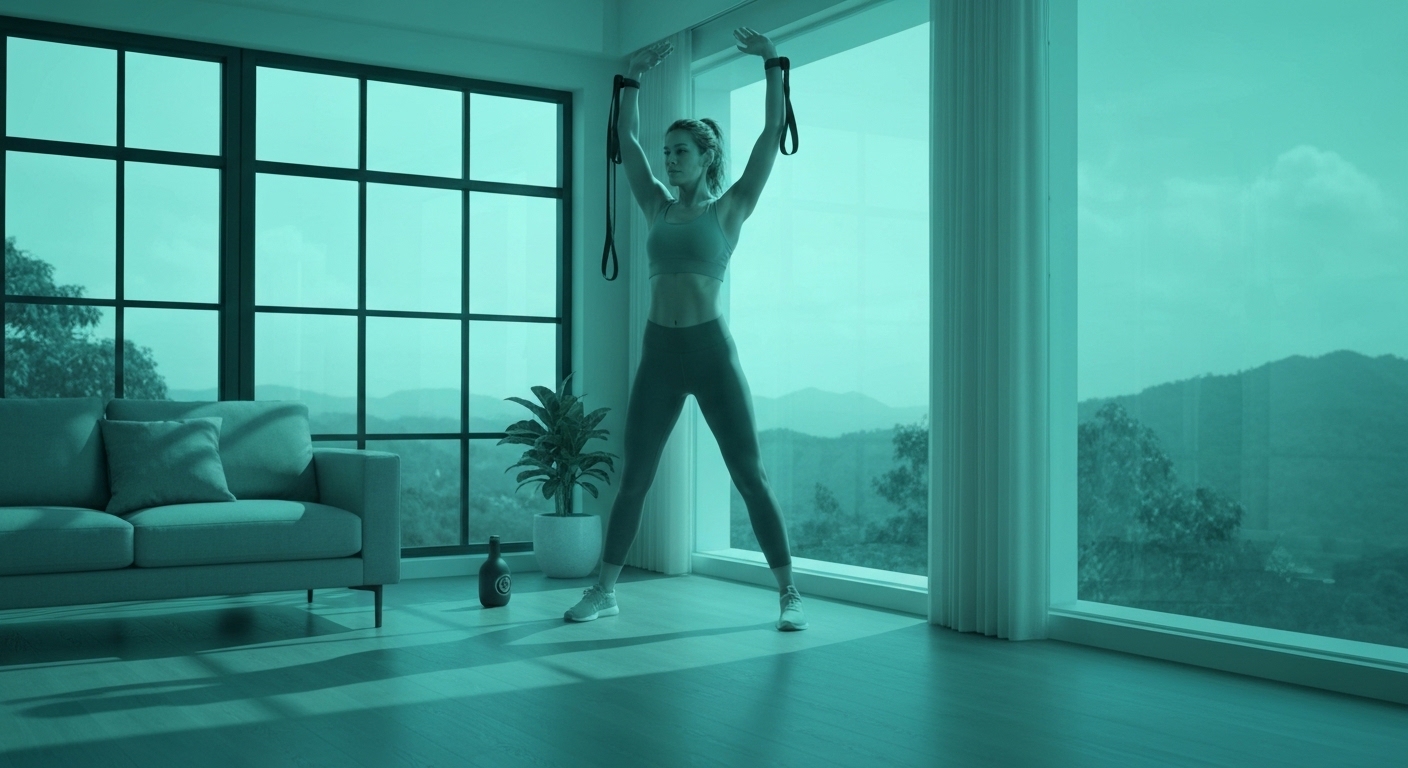
In today's fast-paced life, the idea of dedicating an hour a day to the gym may seem like an unattainable goal for many women. Between work responsibilities, family care, and household tasks, physical well-being often falls to the bottom of the priority list. Sedentary behavior and accumulated stress not only affect physical condition but also directly impact mental health, generating a sense of chronic fatigue and lack of energy.
The problem is not a lack of willpower, but the perception that exercise must be an exhausting, lengthy, and complex activity to be effective. Often, we are bombarded with images of radical transformations and high-intensity routines that, far from motivating, generate frustration. The reality is that home exercise for women can be the most practical and realistic solution to regain vitality without adding more stress to your agenda.
Why Choose Home Exercise for Women?
Opting to train at home offers a flexibility that no gym can match. There are no commutes, no strict schedules, and, most importantly, no external judgments. It is a safe space where you can connect with your body at your own pace. Additionally, regular exercise has proven to be one of the most powerful tools for managing anxiety and improving sleep quality.
Implementing a home exercise routine for women does not require a financial investment in expensive machinery. Your own body weight is sufficient to strengthen muscles, improve posture, and increase cardiovascular endurance. The secret to success lies not in the intensity of a single day but in the consistency of small efforts sustained over time.
Breaking Myths About Women's Fitness
It is common to hear that to see results, one must suffer or that strength training will make the body look too bulky. Nothing could be further from the truth. Muscle strengthening in women helps protect joints, improves bone density, and accelerates metabolism in a healthy way. It is not about seeking an imposed aesthetic but about building a functional body that allows you to perform your daily activities with less fatigue.
Preparing the Ground: Mindset and Space
Before starting any routine, it is essential to adjust expectations. Do not seek perfection from day one. If today you only have 10 minutes, use them. The key is movement. To prepare your space, you do not need a dedicated room; a corner in the living room or next to the bed is sufficient. Make sure to have water on hand, comfortable clothing that allows you to move freely, and, if possible, a non-slip surface, such as a rug or yoga mat.
Practical Routine to Start Today
This routine is designed to be completed in about 20 to 25 minutes. It is ideal for beginners or intermediate levels and requires no additional equipment.
1. Warm-up (5 minutes)
- Joint Mobility: Make gentle circles with your neck, shoulders, wrists, and ankles.
- Marching in Place: Walk in place, slightly raising your knees for 2 minutes.
- Torso Rotations: With feet shoulder-width apart, gently twist your torso from side to side.
2. Main Activity (15 minutes)
Perform each exercise for 40 seconds, followed by 20 seconds of rest. Repeat the circuit 3 times.
- Controlled Squats: Keep your back straight and lower your hips as if you were going to sit in an invisible chair. Ensure your knees do not go past your toes.
- Knee-supported Push-ups: Place your hands on the ground slightly wider than shoulder-width. Support your knees to facilitate the movement and lower your chest towards the ground.
- Alternating Lunges: Step forward and lower your back knee towards the ground, maintaining balance. Alternate legs.
- Plank: Support your forearms and toes, keeping your body in a straight line. Engage your core to protect your lower back.
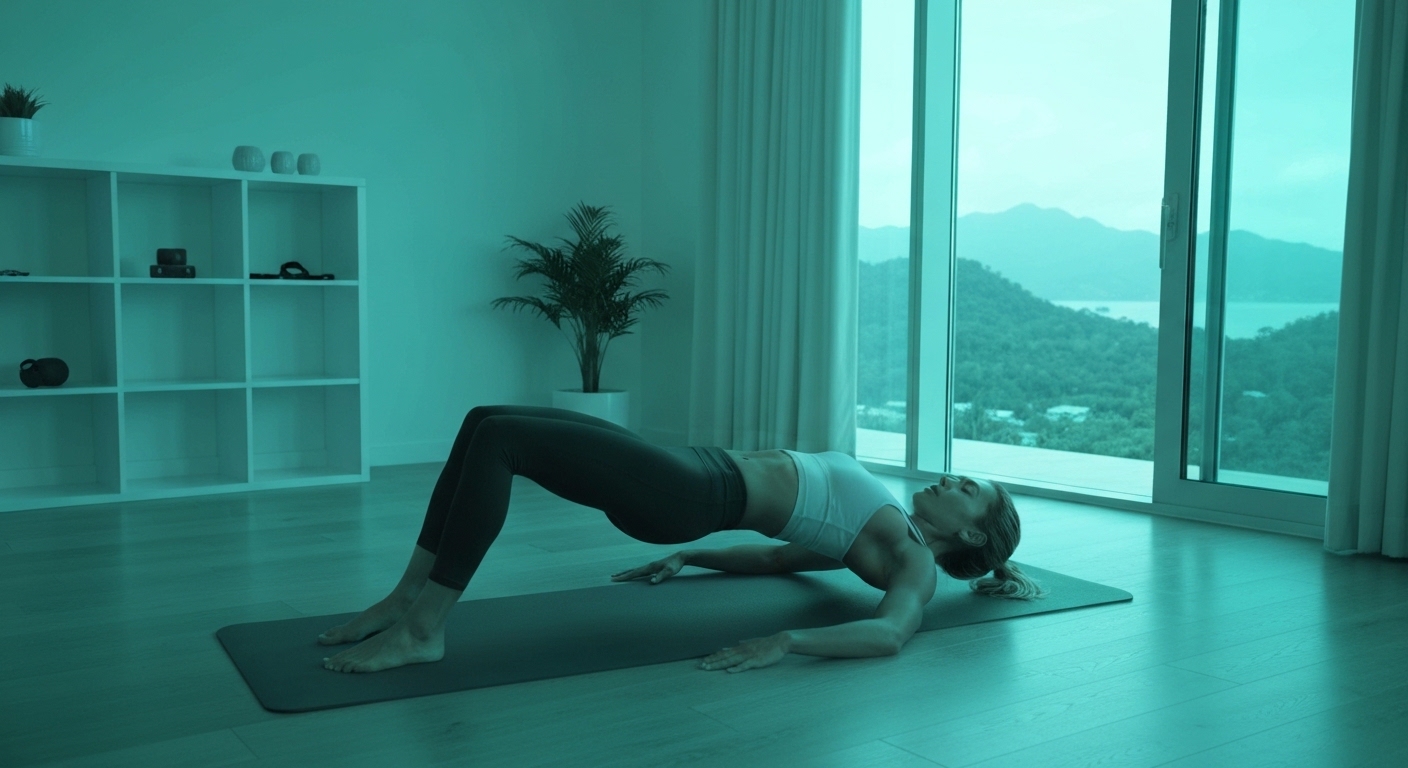
- Glute Bridge: Lie on your back with your knees bent and feet on the ground. Raise your hips towards the ceiling by squeezing your glutes and lower slowly.
3. Cool Down and Stretch (5 minutes)
- Back Stretch: In a four-point position, arch and round your back gently (cat-cow pose).
- Leg Stretch: Sitting on the floor, stretch one leg and try to reach your foot without forcing.
- Deep Breathing: Spend the last minute breathing deeply, inhaling through your nose and exhaling through your mouth, relaxing each muscle.
Tips to Maintain Motivation
Motivation is fleeting, which is why we need discipline and habits. Here are some strategies to avoid giving up:
- Link Exercise to an Existing Activity: For example, do your routine right after dropping the kids off at school or before your morning shower.
- Listen to Your Body: There will be days when you have less energy. In those moments, reduce the intensity but keep moving. A gentle walk counts too.
- Record Your Feelings: Beyond weight or measurements, note how you feel after working out. Do you have more energy? Are you in a better mood? That is true progress.
Remember that well-being is a personal journey. Do not compare yourself to what you see on social media. Your only competition is the version of yourself that yesterday decided to stay on the couch. Every step, no matter how small, brings you closer to a more balanced and healthy life.
Explore more about well-being in our related articles:
- Guide to Mindful Eating for Everyday Life
- How to Improve Sleep Quality Naturally
- Simple Techniques for Stress Management
- The Importance of Hydration in Physical Performance
Frequently Asked Questions (FAQ)
To start, it is ideal to engage in physical activity between 3 and 4 times a week. This allows your body to adapt and have enough time to recover between sessions.
Exercise is a fundamental pillar, but it must be accompanied by a balanced diet and good rest. The goal should always be overall health rather than a number on the scale.
If you feel pain (not muscle fatigue, but sharp pain), stop the activity immediately. It is important to listen to your body and, if the discomfort persists, consult a professional before continuing.
Activa tu bienestar hoy
Empieza con una rutina sencilla y construye el hábito paso a paso.